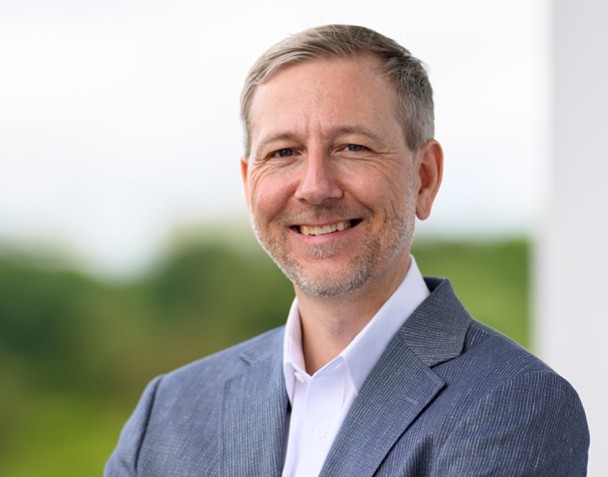
Dominic Winter is Full Professor (W2) for Oncological Proteometabolomics at the Research Center One Health Ruhr and University Hospital Essen, Medical Faculty, University Duisburg-Essen. He previously served as group leader and academic officer at the Institute for Biochemistry and Molecular Biology, University of Bonn. His research focuses on lysosomes, mitochondria, autophagy, and cellular proteostasis, with a strong emphasis on proteomics and targeted mass spectrometry approaches to dissect lysosomal pathways and identify disease-relevant biomarkers. He is Principal Investigator in several major German Research Foundation (DFG) programs, including a Heisenberg Professorship, DFG Priority Programs on mitostasis and mitochondrial integration into the proteostasis network, and the DFG Research Unit on mechanisms of lysosomal homeostasis. Prof. Winter has authored 71 peer-reviewed journal publications, 5 book chapters, and 2 patents, with ~4,000 citations and an h-index of 29 (Google Scholar). His work has received international recognition, including highlighted and cover-featured publications. He serves as Co-Chair (with Prof. Paul Saftig) of the European Study Group on Lysosomal Diseases (ESGLD) and as an ESGLD board member, and he is actively involved in scientific advisory boards, editorial activities, and peer review for leading journals and funding agencies.
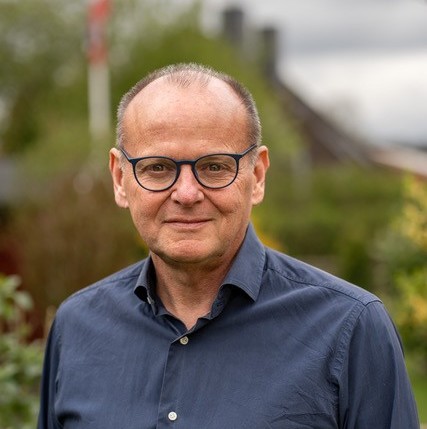
Prof. Dr. Paul Saftig
Paul Saftig is direktor of the department at the Biochemical Institute at the University Kiel. He is chairing a group of scientists working at projects aiming to understand the functions of lysosomes and their role in health and disease. There is a focus to decipher the pathophysiological role of membrane components of the lysosomal compartment. Approved therapies for lysosomal storage disorders including mannosidosis were developed in the lab. New trafficking routes to the lysosomal compartment were discovered. The role of lysosomal proteins and different types of membrane-associated proteases in more common neurodegenerative disorders like Alzheimer Disease and Parkinson Disease are additional topics of interest. Dr. Saftig´s work has been presented in about 360 original publications and review articles in highly recognized scientific journals. Dr. Saftig received the highest German Alzheimer Research Award (2011), the EU horizon Impact Award (2019) and the Hensel Award from the University Kiel (2025). Dr Saftig has chaired several national and European research networks. In 2024 he chaired the Gordon Research Conference on lysosomal diseases. Since 2023 he is chair of the ESGLD together with Dominic Winter.
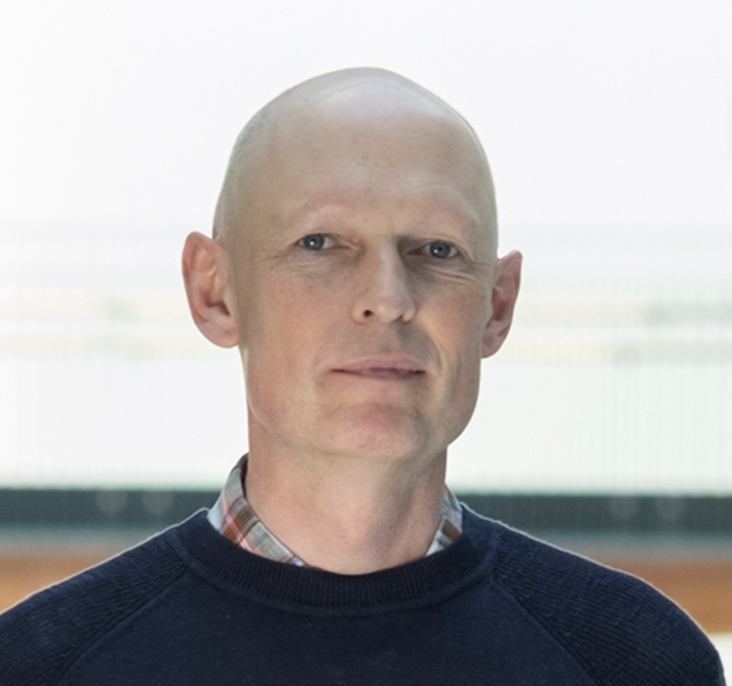
Prof. Dr. Pim Pijnappel
Pim Pijnappel's group is dedicated toward the development of novel therapies for genetic disorders using gene therapy and regenerative medicine. His group developed RNA therapy using splice-switching antisense oligonucleotides for Pompe disease. Optimized forms of hematopoietic stem cell-mediated lentiviral gene therapy have been developed for treating heart, skeletal muscles, and the CNS in Pompe disease and Mucopolysaccharidosis and are currently being prepared for the first in-human studies via the start up LentiCure. Adult muscle stem cells have been studied as source for regenerative therapy to treat muscle disorders. Using iPSCs and CRISPR/Cas9-mediated gene editing, his group developed in vitro disease models. For skeletal muscle, iPSC-to skeletal muscle protocols, and 3D muscle-on-chip disease models (patient-derived mini-muscles that can contract) have been developed. To model cartilage disorders, his group generated iPSC-derived chondrogenic cells, and is progressing toward 3D models. In addition, his group works on extended DNA diagnosis of patients for which standard diagnostic procedures have failed. A widely used, open access mutation database for Pompe disease including genotype-phenotype relationships has been developed. Genetic studies have been performed to identify genetic variations that can modulate disease progression. Antibody responses to enzyme therapy have been characterized. Pim Pijnappel has published >80 peer reviewed scientific articles, holds 11 patents on therapies and biomedical technology, and received >10M euro on research grants including from the National Growth Fund (NXTGEN HIGHTECH and Centre for Animal-Free Biomedical Translation), NWA (Cure4Life), EU-JPND, Health Holland, Prinses Beatrix Spierfonds, Hersenstichting, Dioraphte, and Metakids. He is board member of the Center of Lysosomal and Metabolic Diseases of the Erasmus MC, treasurer of the European Study Group of Lysosomal Disorders, board member of United for Metabolic Diseases, chair of the hDMT (Institute for human Organ and Disease Model Technologies (hDMT), theme group Skeletal Muscle-on-Chip), and advisor on Pompe disease for the Diagnose werkgroep of Spierziekten Nederland. Pim Pijnappel’s group is part of the Center for Lysosomal and Metabolic Diseases in which he closely collaborates with clinicians on translational research. He is co-founder and unpaid Chief Scientific Officer of the not-for-profit company LentiCure B.V. for the development of gene therapy for rare diseases for transparent and reasonable pricing.